I’m this old
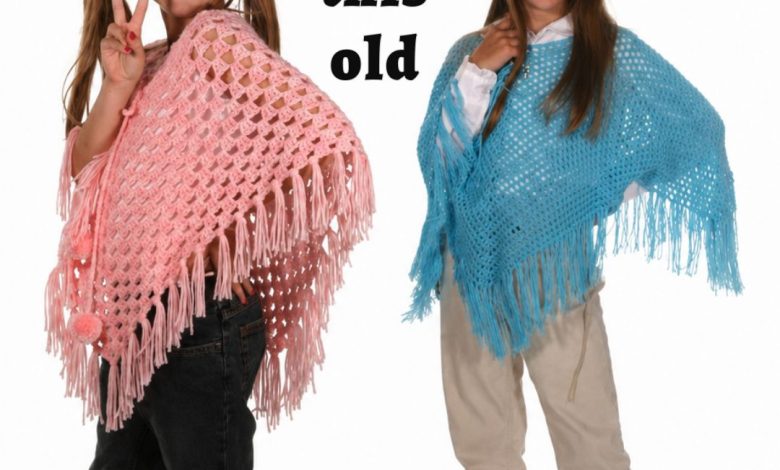
The item in the picture is best known as a crocheted poncho, sometimes called a fringed poncho or handmade crochet shawl-poncho. For many Americans, this piece of clothing brings back memories of childhood, family photos, handmade gifts, and the colorful fashion of the late 1960s and 1970s.
A poncho is a loose outer garment that is worn over the shoulders. Traditional ponchos have very old roots in Latin America, where they were used as practical clothing to keep people warm and protected from wind and rain. In the United States, however, the crocheted fashion poncho became especially popular during the 1960s and 1970s, when handmade clothing, bohemian style, and colorful yarn crafts were everywhere.
During that era, many mothers and grandmothers made ponchos at home using crochet patterns, often adding fringe, bright colors, open stitching, and soft yarn. Children wore them to school, church, family gatherings, or just as a fun extra layer on cool days. The poncho was not only useful—it was also a way to show personality and creativity.
The main purpose of a crocheted poncho was to provide warmth while allowing easy movement. Unlike a heavy coat, it slipped on quickly and felt comfortable. The open sides made it easy for kids to move around, while the yarn helped keep the shoulders and upper body cozy. The long fringe also gave it a playful, stylish look.
By the late 1970s, crocheted ponchos had become a familiar part of American childhood fashion. Many people remember owning one in colors like pink, blue, yellow, orange, or brown. Some were store-bought, but many were handmade, which made them feel even more special.
Today, the crocheted poncho is remembered as a nostalgic symbol of handmade fashion, family love, and vintage style. Seeing one instantly reminds many Americans of a simpler time—when clothing was often made at home, passed down, and worn with pride.