News
-
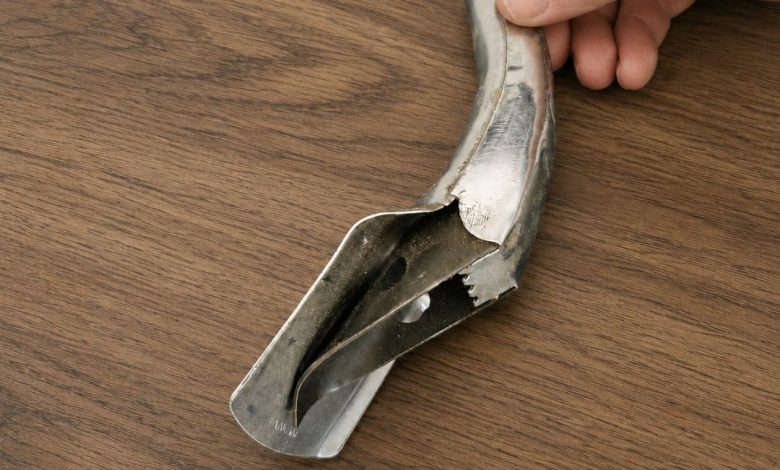
My father handed me this tool and said I might need it one day. I still have no idea what it’s for… and he just laughs whenever I ask.
Before motor oil was commonly sold in plastic bottles with screw caps, American motorists and service stations often received it in sealed metal cans. Opening those containers neatly required a specialized device. One example was the De Luxe Can-Tapper, a reusable metal opener and pouring spout manufactured by Blackstone Manufacturing Company in the United States. What Was It Called? The…
Read More » -
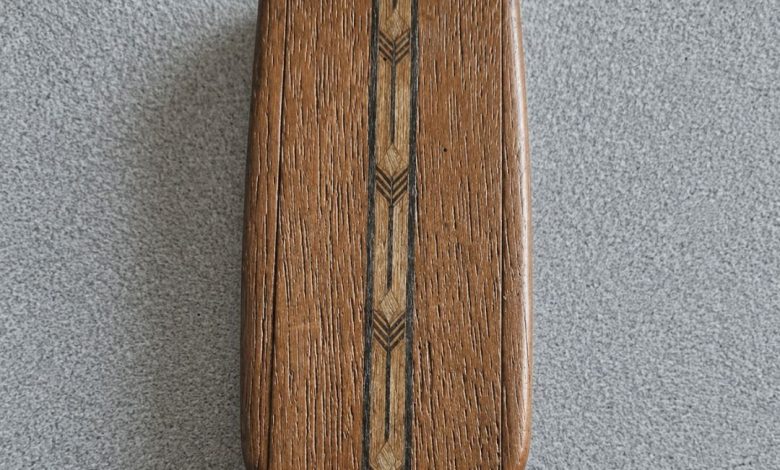
This Strange Wooden Object Once Hid Something Far More… I Didn’t Expect This!
At first glance, it looks like nothing more than a smooth block of wood. It has no screen, buttons, or obvious moving parts. However, beneath its simple exterior is a compact storage system that has remained popular for decades. The object is commonly known as a dugout. Traditionally made from hardwood, it is a pocket-sized case designed to hold a…
Read More » -
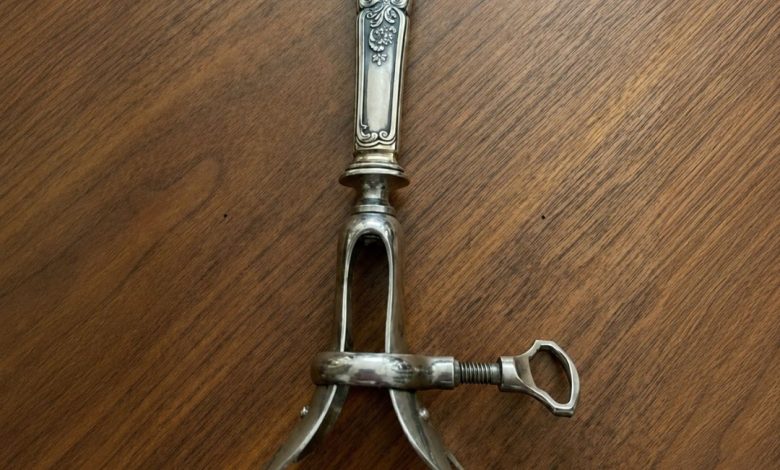
We Were Sorting Through My Grandma’s Belongings When We Came Across… You Guys Have Any Idea?
At first glance, this unusual silver object may look like an old medical instrument, kitchen utensil, or sewing tool. It has two narrow curved arms, decorative handles, and a small screw mechanism that causes the arms to move apart. The object is actually an antique glove stretcher, a practical personal-care tool once used to widen the fingers of tight leather…
Read More » -
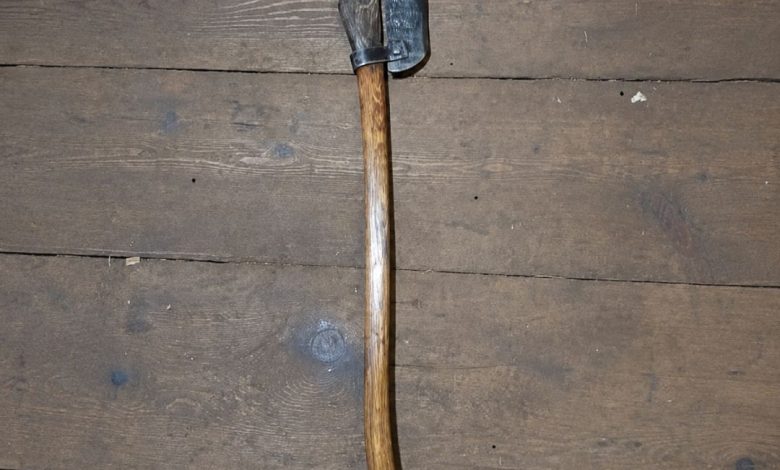
What’s the name of this tool AND did you ever use one?
The tool shown is commonly called a brush axe, although it may also be known as a bush axe, clearing axe, or slasher. It combines a long wooden handle with a large, curved steel blade designed for cutting through thick vegetation. When Did the Brush Axe Appear? Brush-clearing tools with curved blades existed in different forms long before modern machinery.…
Read More » -
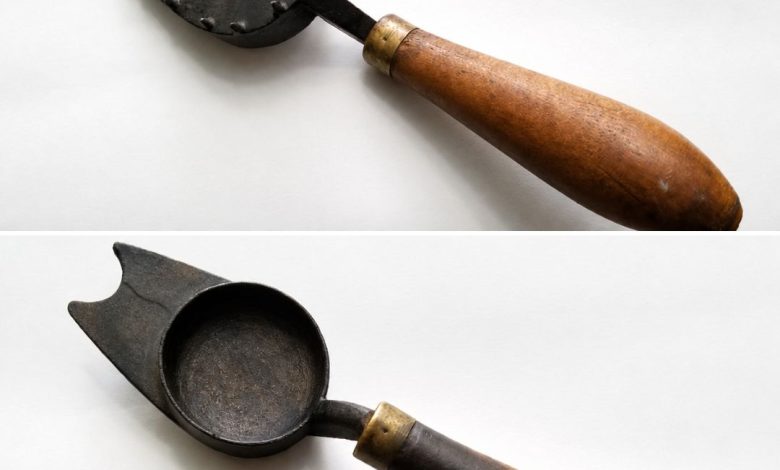
What is this tool? Has stumped antique dealers for years and even stumped four Antiques Roadshow appraisers yesterday.
At first glance, this unusual object resembles a small cast-iron scoop with sharp teeth on its underside. However, it was actually part of an old-fashioned carpet-laying tool, commonly described as a carpet stretcher with a built-in tack holder. When Was It Used? Hand-operated carpet stretchers became common during the late 19th and early 20th centuries, before modern power stretchers, tack…
Read More » -
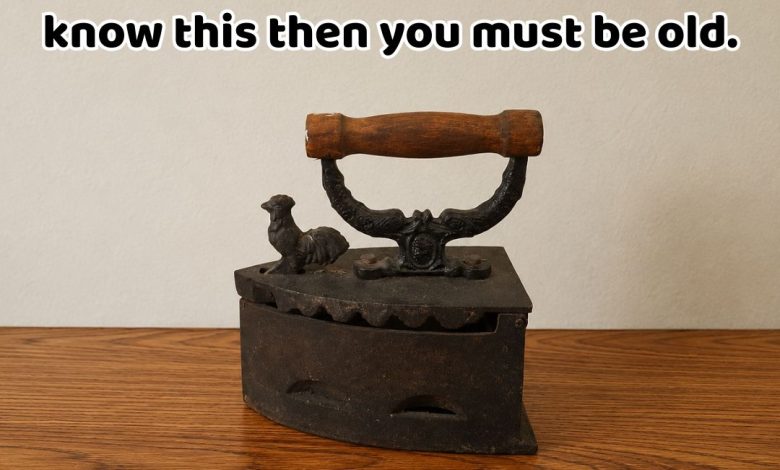
I’m positive you will not know what this is. If you really know this then you must be old.
Long before electric irons became common, many households relied on a heavy but ingenious tool known as a charcoal box iron. It was designed to smooth clothing, sheets, table linens, and other fabrics without electricity. When Was It Used? Charcoal irons became widely used during the 19th century and early 20th century. They appeared in homes and commercial laundries across…
Read More » -
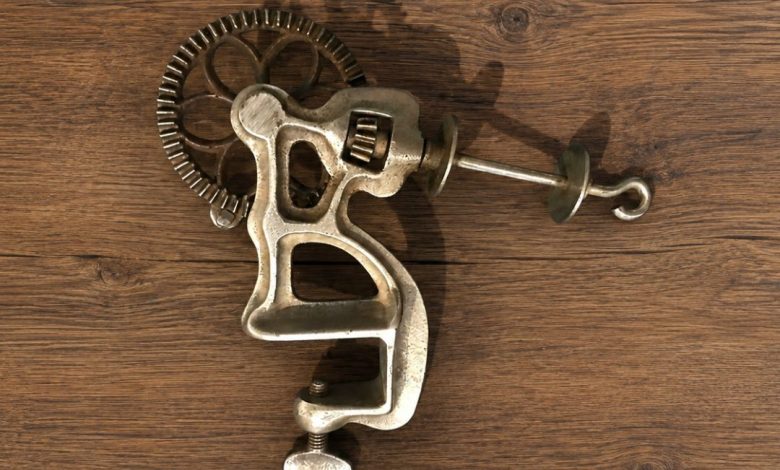
What is this? Anyone know?
This unusual hand-operated device is a vintage yarn and thread spool winder, a practical textile tool commonly associated with the late 1800s. Made primarily of heavy cast iron, it was built to withstand frequent use in homes, sewing rooms, workshops, and textile-production settings. The winder features a table clamp, allowing it to be secured firmly to the edge of a…
Read More » -
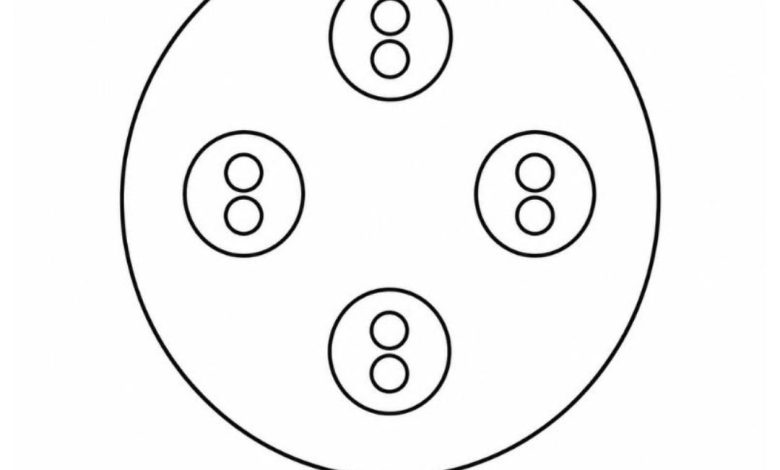
Think carefully! Over 75% of people get this one wrong
At first glance, this puzzle appears simple. Most people focus only on the large design and quickly answer 13 circles. However, the question asks how many circles appear “in this image,” which suggests that the words below the drawing should also be counted. Counting the Main Drawing The central design contains: 1 large outer circle 4 medium circles 8 small…
Read More » -
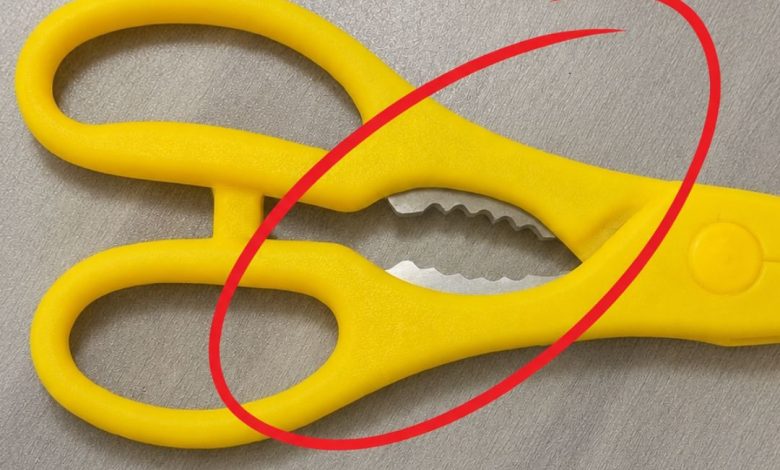
What is that strange toothed part on kitchen scissors for?
Many kitchen scissors have a small, jagged opening between the handles near the pivot. Because it does not resemble a cutting blade, some people assume it is decorative or left over from manufacturing. It is usually neither. On many multipurpose kitchen shears, that serrated section is a built-in gripping tool designed to hold small, hard or slippery objects. What Is…
Read More » -
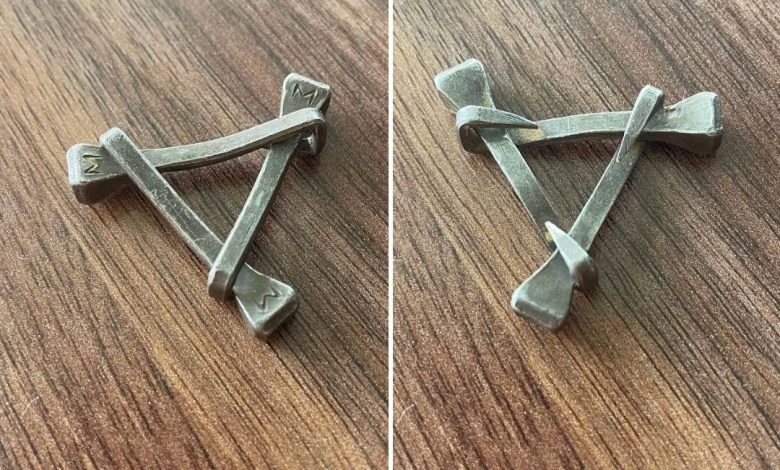
I found this on my way to work in the city center. It’s made of metal, all the parts are identical and can move, but the whole thing isn’t meant to come apart.
A small metal object found on a city-center sidewalk initially appeared to be some kind of mechanical puzzle. It consists of three identical metal pieces, each bent and interlocked with the others so that they can move but apparently cannot be separated. The unusual object is most likely a handmade ornament made from three farrier’s nails, also known as horseshoe…
Read More »