News
-
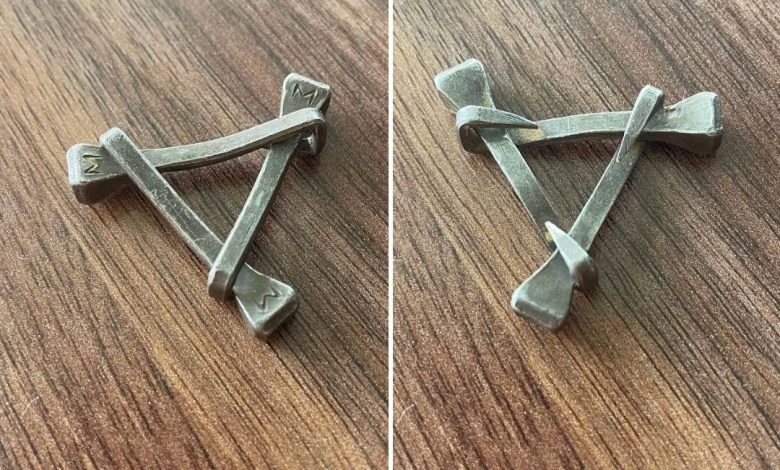
I found this on my way to work in the city center. It’s made of metal, all the parts are identical and can move, but the whole thing isn’t meant to come apart.
A small metal object found on a city-center sidewalk initially appeared to be some kind of mechanical puzzle. It consists of three identical metal pieces, each bent and interlocked with the others so that they can move but apparently cannot be separated. The unusual object is most likely a handmade ornament made from three farrier’s nails, also known as horseshoe…
Read More » -
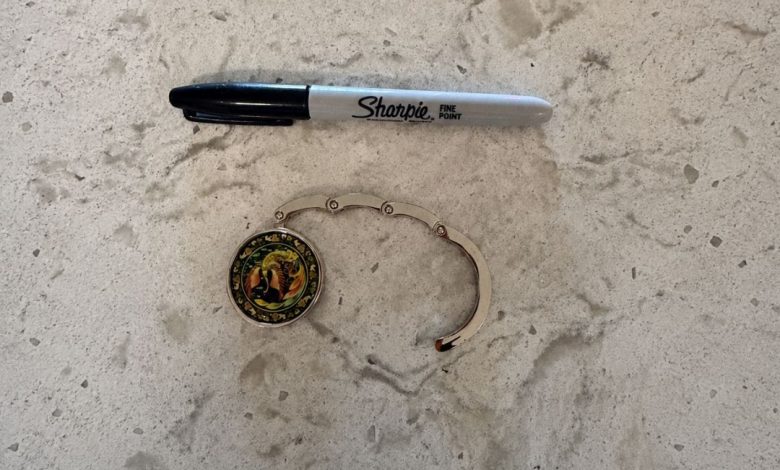
Unravels and goes back – magnetic into itself but not onto the fridge.. front and back, sharpie for size. What is it?
The small round object shown beside the Sharpie is a folding purse hook, also called a handbag hanger, table purse holder, or bag hook. Although it may resemble a bracelet or a decorative compact when closed, it is designed to hang a handbag from the edge of a table or counter. How It Works The decorative round section is the…
Read More » -
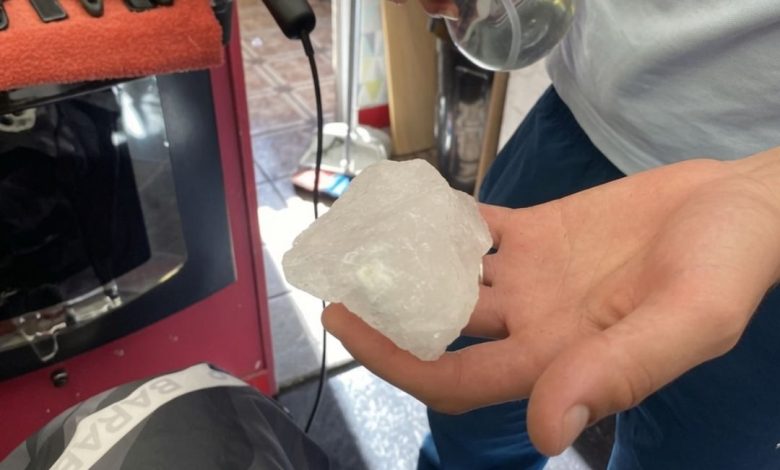
What is this? My barber rubbed on my skin after shaving me and didn’t know the English name for it.
The translucent white stone is most likely an alum block, also called an alum stone, shaving alum, or styptic stone. The simplest name to use in the United States is: “Alum block” Most shaving blocks are made from potassium alum, whose chemical name is potassium aluminum sulfate. It is a water-soluble mineral salt that forms clear or milky-white crystals. However,…
Read More » -
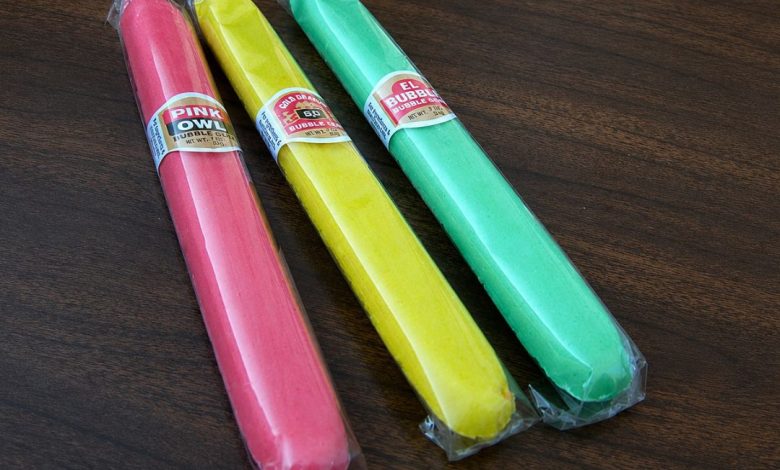
Remember This Pink Owl Candy Cigars?
Pink Owl Candy Cigars were a colorful novelty candy shaped like small cigars, but they were actually bubble gum or fruit-flavored candy sticks wrapped in clear plastic. In the image, the candies appear in bright pastel colors such as pink, yellow, and green, with paper labels around the middle. These treats are often remembered as part of America’s retro candy…
Read More » -

If you played in the street and and remember yelling “CAR!” then you had an awesome childhood
Before smartphones, tablets, and organized playdates, many American children spent their afternoons outside, playing in the street until the sun went down. One familiar memory from that time was the loud warning: “CAR!” When someone yelled it, every child knew what to do — grab the ball, move to the sidewalk, and wait for the car to pass. This simple…
Read More » -
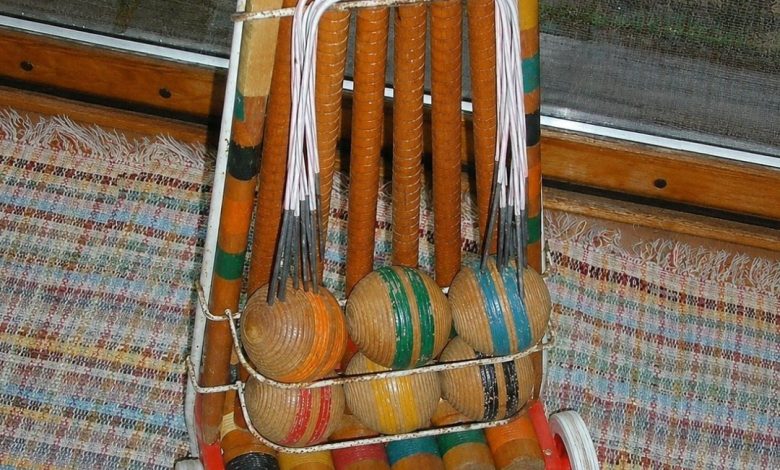
When you see this, you think of what?
The toy in the photo is best identified as a children’s croquet set. It includes small wooden mallets, colorful wooden balls, wire hoops called wickets, and wooden stakes. These pieces were used for a simple backyard game that many American families would recognize from summer afternoons, lawns, parks, and family gatherings. Croquet is a lawn game in which players use…
Read More » -
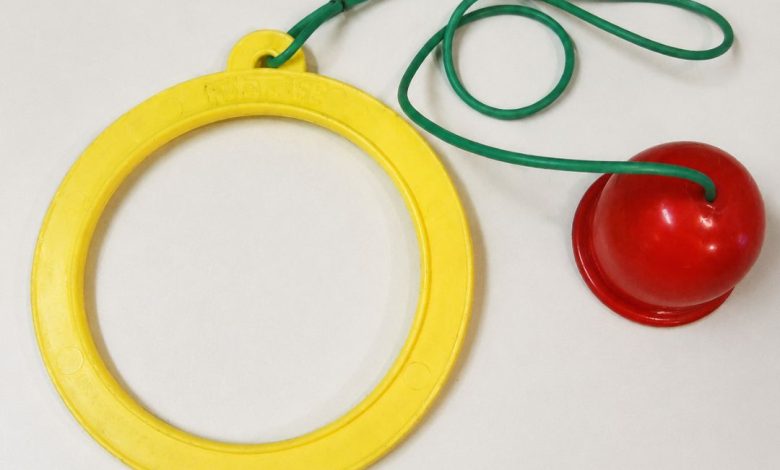
Anyone remember this? I wonder if a version of this toy is still around?
The toy in the photos is commonly remembered as “Footsie” or “Footsee,” and it belongs to the same family of toys later known as Lemon Twist, Skip-It, ankle skip ball, or ankle skipper. The version shown here has a yellow plastic ankle hoop, a green cord, and a red bell-shaped plastic weight at the end. The package identifies it as…
Read More » -
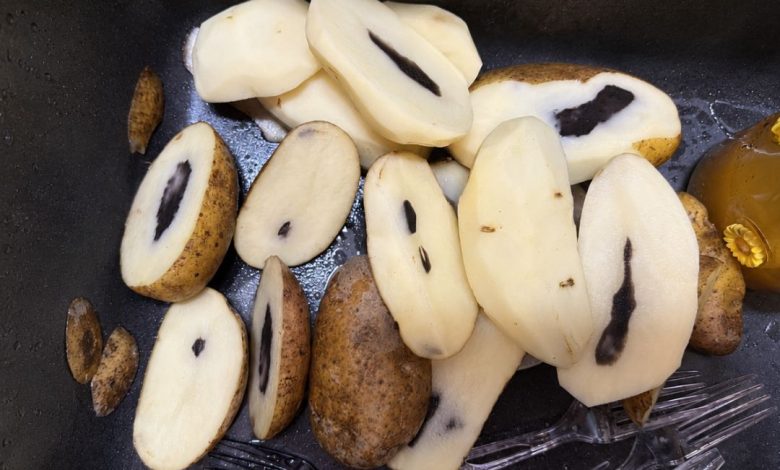
I’ve never seen potatoes like this before! I threw them out. What’s this black stuff?
If you cut open a potato and see a dark black or brown mark in the center, it can look shocking. Many people think the potato is rotten, moldy, or unsafe. But in many cases, this dark area is caused by an internal growth defect, not an insect, dirt, or disease. The condition is commonly called “hollow heart” or “brown…
Read More » -
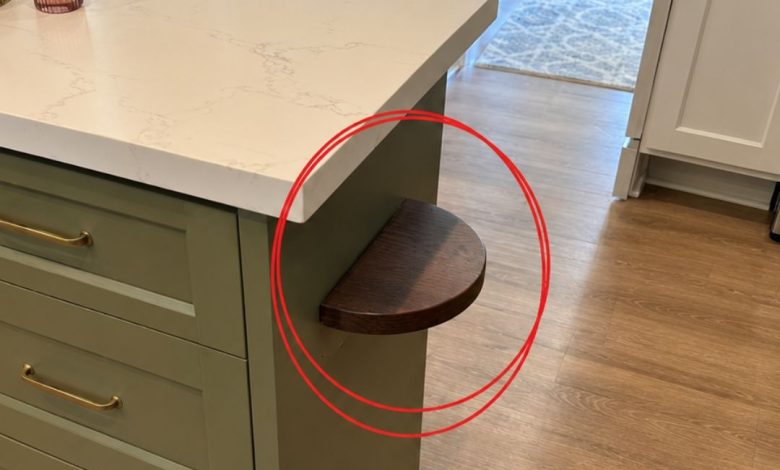
Can’t figure it out. Any clue what this is used for?
A small semi-circular ledge attached to the side of a kitchen island has sparked curiosity online. At first glance, it looks unusual. It is too small to be a real countertop, too low to be a breakfast bar, and too oddly placed to be an obvious storage shelf. But this little feature actually has a practical explanation. This is most…
Read More » -
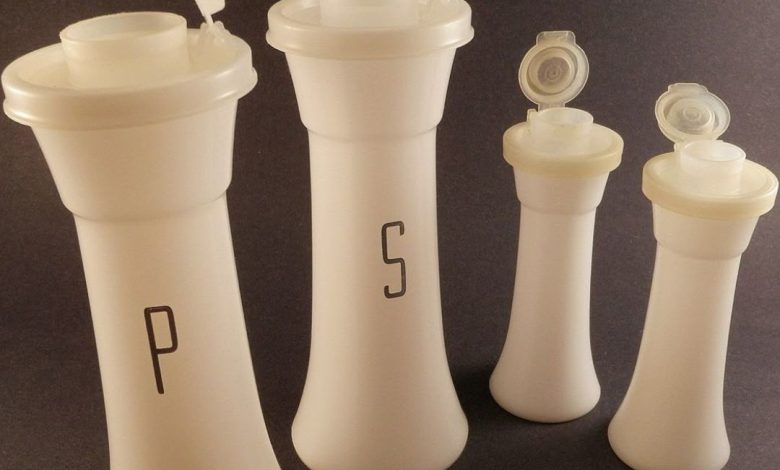
I can’t be the only one who had these back in the day!
Before glass spice jars and stainless-steel grinders became common on American tables, many families used a softer, lighter, and more practical option: Tupperware salt and pepper shakers. The shakers in the image are classic examples of vintage Tupperware kitchenware, with tall plastic bodies, flip-top lids, and large printed letters: “P” for pepper and “S” for salt. Tupperware itself became a…
Read More »